For many busy US gamers, balancing a career, family, and personal life with a passion for digital worlds is a constant challenge. Yet, platforms like Roblox offer a unique escape, a place to unwind, socialize, and even build skills without massive time commitments or budget strains. At the heart of this phenomenon lies a foundational vision, one deeply influenced by Erik Cassel. This article explores the enduring legacy of Erik Cassel, a co-founder of Roblox, and how his contributions continue to shape the gaming experiences we enjoy today. From his early technological insights to his unwavering belief in user-generated content, understanding Erik Cassel's impact provides valuable context for both new and long-time players. Discover how his pioneering spirit laid the groundwork for a platform that empowers millions of players and creators, offering accessible fun and fostering a vibrant community, perfectly suiting the needs of today's diverse gaming population who seek value, performance, and social connection.
Related games- Guide to Roblox Clothes Codes 2026 How to Get Them
- Guide to Understanding Bear Hack Roblox Safety
- Guide How To Get Your Alex Caruso Roblox Jersey Now
- Guide A Team Gaming Maximize Fun Win Strategy
- Guide Understanding Roblox Part ID For Savvy Gamers
Who was Erik Cassel and what was his role at Roblox?
Erik Cassel was a pivotal co-founder of Roblox and served as its Head of Technology. He was instrumental in designing the core platform and championing user-generated content, empowering millions to create their own games. His technical vision and leadership were crucial in establishing Roblox as the unique gaming and creation platform it is today.
How did Erik Cassel influence the game creation aspect of Roblox?
Erik Cassel significantly influenced Roblox's game creation by advocating for accessible, user-friendly development tools. He believed in giving players the power to build, which led to the development of Roblox Studio. This focus democratized game development, allowing anyone with an idea to bring it to life, fostering a massive ecosystem of diverse player-made content.
What legacy did Erik Cassel leave behind for Roblox players?
Erik Cassel left an enduring legacy of creativity, community, and accessibility for Roblox players. His vision established a platform where user-generated content thrives, fostering a vibrant social environment and empowering millions to express themselves through game design. His principles continue to shape how Roblox evolves, ensuring it remains a hub for innovation and shared experiences.
When did Erik Cassel pass away, and how is he remembered by Roblox?
Erik Cassel passed away on February 11, 2013, due to cancer. He is deeply remembered and honored by Roblox and its community through 'Erik Cassel Day,' an annual commemoration of his contributions. His name and impact are frequently celebrated, underscoring his foundational role in the platform's success and ongoing development.
Why is Erik Cassel still relevant to modern gamers and developers?
Erik Cassel remains highly relevant because his core philosophy of user empowerment and accessible creation continues to drive Roblox, a dominant force in modern gaming. Developers learn from his model of building platforms that scale with user creativity, while gamers benefit from the endless, diverse content that stems from his vision for community-driven development, perfectly suited for today's social gaming trends.
Did Erik Cassel envision Roblox's massive growth and metaverse potential?
While specific predictions are hard to confirm, Erik Cassel's foundational work in building an open-ended, user-driven platform clearly laid the groundwork for Roblox's massive growth and metaverse potential. His emphasis on user-generated content and a connected digital world aligns perfectly with the current understanding and trajectory of the metaverse, indicating a visionary foresight.
Are there any specific Roblox games or features attributed directly to Erik Cassel?
While specific games were created by the community, Erik Cassel was central to developing the underlying technology and tools, like Roblox Studio, that enabled all games. His direct contributions were foundational in creating the robust engine and environment that empowered countless developers to bring their ideas to life, making him indirectly responsible for the possibility of all Roblox experiences.
Are you one of the millions of US gamers who juggles work, family, and real-world responsibilities, yet still craves that essential gaming escape? You are not alone. With 87% of US gamers playing regularly, and many dedicating 10+ hours a week, finding platforms that offer flexible fun, social connection, and creative outlets without breaking the bank or demanding endless hours is key. We often talk about the latest hardware upgrades or trending titles, but sometimes, the true gems are found in understanding the foundational visions that shaped our favorite digital worlds. Today, we're diving deep into the enduring impact of Erik Cassel, a visionary co-founder of Roblox, whose contributions still resonate strongly with the platform's massive user base, including many adult gamers looking for relaxation, creativity, and community.
For many of us, gaming isn't just a hobby; it's a vital part of our routine for stress relief, social connection, and even skill development. Whether you're dipping into a cozy game on your mobile during a lunch break, connecting with friends on Discord for some casual cross-play, or exploring new creative ventures, platforms like Roblox offer incredible versatility. But how did Roblox become this powerhouse of user-generated content? Much of that credit goes to Erik Cassel. By exploring his pioneering work and lasting legacy, we'll uncover how his principles continue to drive Roblox's evolution, offering solutions to common gamer pain points like finding fresh content, connecting with others, and getting real value for your time.
Who Was Erik Cassel and Why is He Important to Gamers?
Erik Cassel was a crucial co-founder of the Roblox Corporation, serving as its Head of Technology. Born in 1967, his vision and technical prowess were instrumental in shaping Roblox from its very inception. For gamers today, Cassel is important because he was a key architect behind a platform that democratized game creation, allowing millions to design, play, and share their own virtual experiences. His foundational work paved the way for a unique gaming ecosystem focused on user-generated content (UGC), which is a core reason why Roblox remains so diverse and engaging, continuously offering new experiences for players of all ages, including adults looking for fresh, community-driven content without steep learning curves or financial investment.
How Did Erik Cassel Influence the Early Days of Roblox?
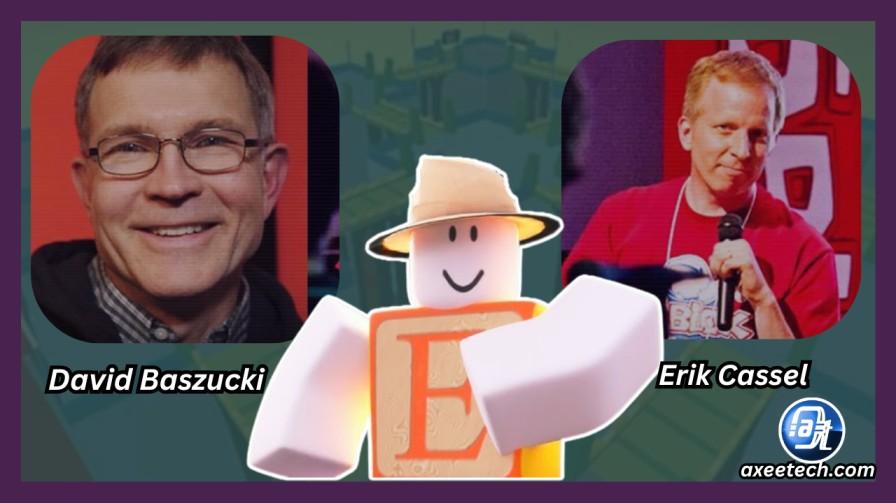
Erik Cassel's influence on early Roblox was profound, particularly in its technological architecture and design philosophy. He was deeply involved in developing the core engine and tools that empowered users to build. Rather than creating a fixed set of games, Cassel and co-founder David Baszucki envisioned a platform where the community itself would be the content creators. This foresight was critical. In the early 2000s, this concept was revolutionary, setting Roblox apart as a true metaverse before the term became mainstream. His technical leadership ensured the platform was robust enough to support an ever-growing library of diverse user-made games, laying the groundwork for the expansive, creativity-driven world we see today, accessible on everything from high-end PCs to mobile devices, addressing the modern gamer's need for flexibility.
What Was Erik Cassel's Vision for User-Generated Content?
Erik Cassel's vision for user-generated content (UGC) was foundational to Roblox's success. He believed in empowering users with intuitive tools to create their own games and experiences, rather than relying solely on professional developers. This wasn't just about fun; it was about fostering creativity, teaching coding skills, and building a community where anyone could be a developer. His philosophy aligned perfectly with the idea that the most engaging content would come from the collective imagination of millions. This approach dramatically lowered the barrier to entry for game development, making it possible for amateur creators, including many younger users and even adults exploring a new hobby, to contribute, ensuring a constant stream of new, diverse, and often quirky content that appeals to varied interests and playstyles.
When Did Erik Cassel Pass Away and What Was His Legacy?
Erik Cassel tragically passed away on February 11, 2013, after a battle with cancer. His death was a significant loss for the Roblox community. Despite his untimely passing, Cassel's legacy lives on in every aspect of the platform. His enduring impact is celebrated annually on 'Erik Cassel Day,' where the community remembers his contributions and the principles he helped establish. His legacy includes the robust technological framework of Roblox, its unwavering commitment to user creativity, and the vibrant, inclusive community it fosters. For current gamers, his work means that Roblox continues to be a platform where innovation is driven by the players, offering endless possibilities for entertainment, learning, and social interaction. Many popular trends this month, from social hangouts to skill-based challenges, can trace their roots back to the open-ended design philosophy he championed.
How Does Erik Cassel's Work Still Impact Roblox Today?
Erik Cassel's work continues to profoundly impact Roblox today in several key areas. Firstly, the platform's core architecture, designed for scalability and user-generated content, largely reflects his early technical decisions. Secondly, the emphasis on empowering creators remains a central tenet of Roblox's strategy, with ongoing improvements to Studio, their game development environment. This allows new generations of creators, many of whom started as players, to build sophisticated experiences. Lastly, his vision fostered a culture of community and collaboration, which is evident in the strong social features and cross-platform play that define Roblox. As social gaming trends dominate in 2026, with many adult gamers seeking shared experiences, Cassel's early focus on community has made Roblox incredibly relevant, ensuring it remains a place where friends can easily connect and play together, regardless of their device.
Can We Still Experience Erik Cassel's Original Roblox Vision?
While Roblox has evolved significantly since its early days, much of Erik Cassel's original vision remains at its core. The spirit of his vision, centered on accessible creation and boundless user-generated content, is undeniably present. Players can still immerse themselves in millions of unique experiences, from intricate role-playing games to simple social hangouts, all built by other users. While graphics and features have advanced, the fundamental premise that users are both consumers and creators is stronger than ever. For gamers interested in the platform's history, exploring older, simpler games within Roblox can offer a glimpse into the foundational creativity Cassel championed. This enduring focus on creation and play resonates particularly with gamers who value platforms that offer ongoing novelty and a sense of shared ownership, often seen in popular free-to-play titles and independent games.
What Lessons Can Modern Game Developers Learn from Erik Cassel?
Modern game developers, whether indie creators or those at large studios, can learn invaluable lessons from Erik Cassel's approach. Firstly, the power of user-generated content: empowering players to create extends a game's lifespan and fosters deep community engagement. Secondly, focus on accessibility: making creation tools intuitive and widely available significantly lowers barriers to entry, leading to a richer, more diverse content ecosystem. Thirdly, build for scalability: anticipating growth and designing a robust technical foundation is crucial for long-term success. Cassel's vision demonstrates that giving players the tools to tell their own stories can create a far more dynamic and enduring platform than relying solely on internal development. This aligns with current trends where platforms that prioritize community and creative freedom, like those supporting esports viewing or VR experiments, tend to thrive.
How Does Roblox Balance Growth with Its Foundational Principles?
Roblox navigates the balance between rapid growth and its foundational principles by consistently investing in both its technology and its community. While constantly introducing new features, graphical improvements, and monetization options, the platform remains committed to providing powerful, accessible tools for creators through Roblox Studio. They also foster community interaction through events, developer forums, and social features. For example, recent updates focus on improving avatar customization and immersive experiences, directly building on the concept of self-expression central to Cassel's vision. By empowering creators with more sophisticated tools while maintaining ease of use, Roblox ensures that the spirit of user-generated content and community, so important to Erik Cassel, continues to drive its evolution, satisfying both casual players and serious developers, and offering value for money through endless free content and optional in-game purchases.
As busy adults who love gaming, we understand the need for platforms that offer flexibility, community, and genuine fun. Erik Cassel's vision for Roblox wasn't just about building a game; it was about building a universe where creativity knew no bounds and anyone could be a creator. His legacy ensures that Roblox continues to be a vibrant hub for digital exploration, relaxation, and social connection, perfectly aligning with the modern gamer's desire for diverse, accessible, and engaging experiences. From its mobile dominance to its thriving social play, Roblox remains a testament to his pioneering spirit.
What's your biggest gaming challenge? And how does Roblox help you overcome it? Comment below and share your thoughts!
FAQ Section
What was Erik Cassel's main contribution to Roblox? Erik Cassel's main contribution was his pivotal role as co-founder and Head of Technology, where he helped design the platform's core engine and championed the philosophy of user-generated content, empowering players to create their own games and experiences.
Is Erik Cassel still honored within the Roblox community? Yes, Erik Cassel is still deeply honored by the Roblox community. 'Erik Cassel Day' is celebrated annually on February 11th, and his contributions are frequently remembered in community discussions and official communications as a foundational figure.
How did Erik Cassel's vision make Roblox unique? Erik Cassel's vision made Roblox unique by focusing on empowering users to be creators. Instead of a fixed game, he helped build a versatile platform where players could design and share an endless variety of games, fostering a dynamic and ever-evolving virtual world.
Did Erik Cassel work on any other notable projects? While Erik Cassel's most prominent work was with Roblox, his career included various software development roles prior to co-founding Roblox. His focus later became entirely dedicated to building and scaling the Roblox platform.
What impact did Erik Cassel have on Roblox's technology? Erik Cassel had a monumental impact on Roblox's technology, primarily by overseeing the development of its foundational engine and tools. His technical leadership ensured the platform was robust, scalable, and capable of supporting complex user-created content, laying the groundwork for its current success.
Erik Cassel was a co-founder of Roblox and its former Head of Technology. He played a pivotal role in the platform's early development, emphasizing user-generated content and creative freedom. Cassel's vision helped establish Roblox as a unique sandbox game, empowering millions of players to build and share their own virtual worlds. His legacy is remembered annually on 'Erik Cassel Day' within the Roblox community, commemorating his profound impact and innovative spirit. His work significantly influenced the platform's technical architecture and its core philosophy of empowering users.
34

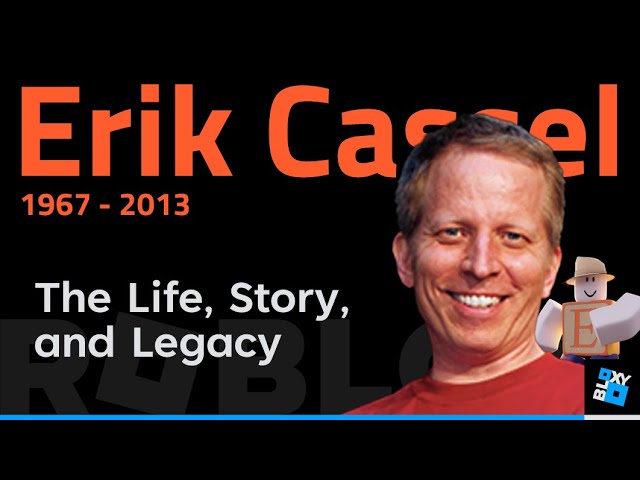
Erik Cassel Remembering The Co Founder Of Roblox Erik Cassel Der Mitgruender Von Roblox Im Portrait Z2p1sn7 . This Remembering Erik Cassel Co Founder And VP Of Engineering At Media. How Old Is Erik Cassel Sddefault . If Erik Cassel Owned ROBLOX YouTube . Who Owns Roblox David Baszucki Controls 70 Voting Power 2026 What Happened To Erik Cassel




Erik Cassel Tribute Memorial Picture By DM20213848 On DeviantArt Erik Cassel Tribute Memorial Picture By Dm20213848 Dkjne5s Pre . Roblox Players That Died 1 Erik Cassel YouTube . Discover The Life And Legacy Of Erik Cassel A Biography Erik Cassel . Erik Stefan Cassel 1967 2013 Find A Grave Memorial 105178470 D495e889 Af33 442d 89b5 . The Story Of Erik Cassel Roblox Documentary YouTube


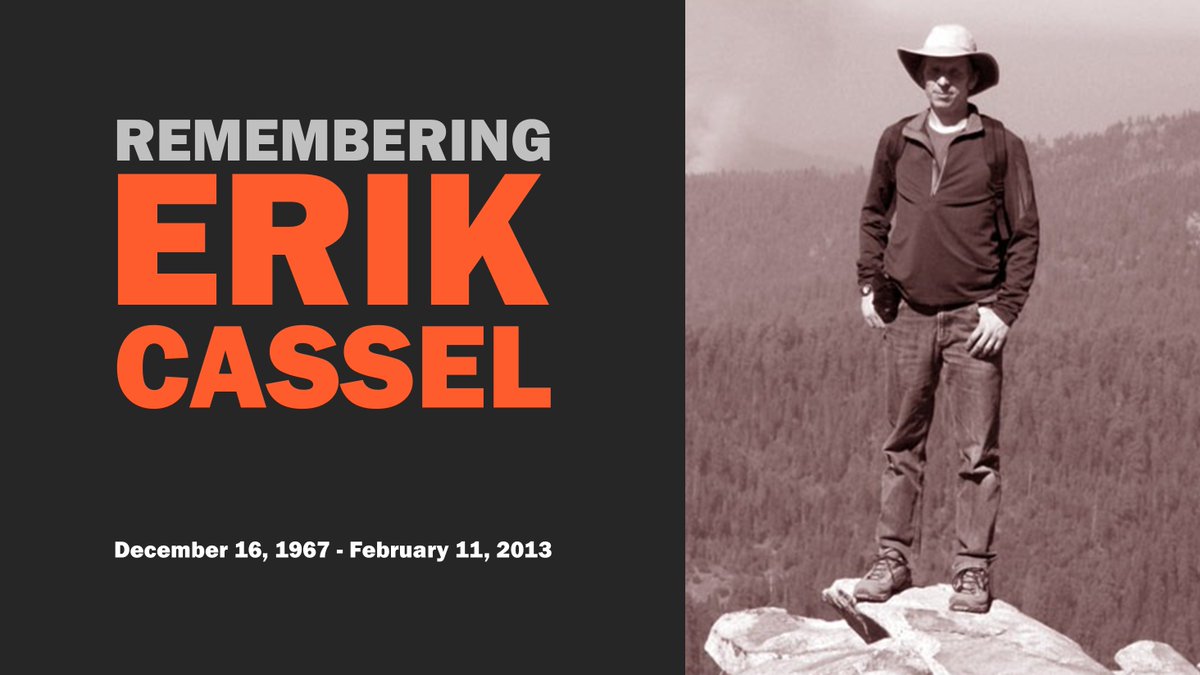
Forsaken Survivor Concept Erik Cassel YouTube . Erik Cassel Pin Not Mine Cosas De Dibujo Bocetos Bonitos Im Genes . How Old Is Erik Cassel. Rip Erik Cassel . Rip Erik Cassel Et7tg 4VkAIF Zl





Nuevo Personaje ERIK CASSEL GRATIS Roblox Avatar YouTube . How Old Is Erik Cassel . Erik Stefan Cassel 1967 2013 Find A Grave Memorial 105178470 1a9f5680 0b3b 4a31 8889 . Happy 57th Birthday Erik Cassel YouTube . Wanneer En Hoe Is Erik Cassel Overleden Oorzaak Van De Dood Van De 33086458 N 768x384



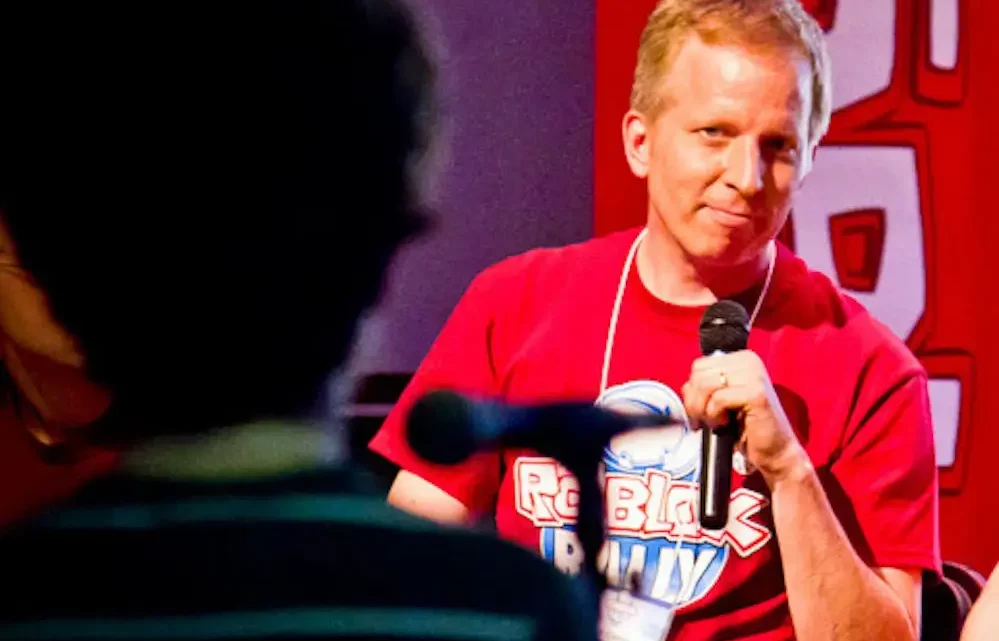
Erik Cassel Fandom 755. Erik Cassel Azul1462 On Tumblr . Rip Erik Cassel . Erik Cassel Roblox Wiki Fandom Latest. Erik Cassel Biography Roblox Age Awards Instagram Net Worth




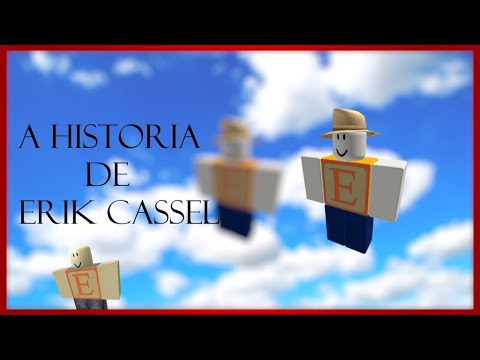
Erik Cassel Vida Pessoal Biografia Famous Birthdays Cassel Erik Image . How Old Is Erik Cassel Erik Hiking1 . Erik Cassel Roblox Wikia FANDOM Powered By Wikia 310. Erik Cassel Erik Casselrbx Suara Asli Img. A Hist Ria Do Erik Cassel Roblox YouTube Hqdefault


What Was The First Game On Roblox The Complete Origin Story AxeeTech Roblox Origin Dynablocks 2004 Founders . How Old Is Erik Cassel 3118285 Baller343 Roblox Erik Cassel Art Rip . Erik Cassel Book Not Mine En 2025 Dibujos Bonitos Pegatinas . La Historia De Erik Cassel Y Su Aversi N A Las C Maras TikTok Img