Explore the rising trend of AI Powered Travel Maps transforming how Americans plan and experience journeys across the nation. Discover how intelligent algorithms personalize itineraries, offer real-time navigation, and uncover hidden gems, making every trip a unique adventure. This informational guide delves into the innovative features and benefits of smart mapping technology, highlighting its impact on spontaneous road trips, meticulously planned vacations, and local explorations. Understand the potential for seamless travel experiences, enhanced safety, and deeper cultural immersion, all powered by artificial intelligence. Get ready to navigate the future of travel with cutting-edge digital companions that anticipate your needs and elevate your explorations. This is not just about getting from point A to B; it is about enriching the entire travel narrative, ensuring every moment is optimized for discovery and enjoyment across various destinations in the United States.
- How do AI travel maps differ from standard GPS navigation? - AI travel maps offer personalized itineraries, predictive traffic analysis, and tailored recommendations based on user preferences. Unlike standard GPS, they learn from your travel habits and proactively suggest unique points of interest, providing a more dynamic and enriched navigation experience that evolves with each journey.
- What kind of personal data do AI travel maps collect? - AI travel maps typically collect data on user location history, search queries, saved preferences, and interactions with recommendations. This information is used to personalize services and optimize routes. Reputable providers prioritize data privacy, often offering anonymization options and clear controls over what data is shared, ensuring user trust.
- Can AI travel maps recommend local hidden gems? - Yes, AI travel maps excel at uncovering local hidden gems. By analyzing user interests, local reviews, and trending social data, they can identify and recommend lesser-known attractions, unique eateries, and authentic cultural experiences that might otherwise be missed. This feature allows travelers to discover truly unique aspects of any destination effortlessly.
- How do AI travel maps adapt to real-time traffic and weather? - AI travel maps integrate real-time data from traffic sensors, weather forecasts, and community reports to adapt swiftly to changing conditions. They automatically recalculate routes to avoid congestion, provide warnings for severe weather, and suggest alternative paths, ensuring the most efficient and safest journey possible. This continuous adaptation is key to their utility.
- Are AI travel maps useful for international travel planning? - While heavily focused on US trends here, AI travel maps are highly beneficial for international travel planning. They offer features like currency conversion, language translation, and local cultural insights, along with personalized itinerary suggestions. This helps travelers navigate unfamiliar regions with greater ease and confidence, making international adventures more accessible and enjoyable globally.
- What are the benefits of using AI for travel itinerary creation? - Using AI for itinerary creation offers numerous benefits, including significant time savings, personalized recommendations, and optimized routing. AI can process vast amounts of data to suggest activities and attractions aligning with your interests, ensuring a cohesive and efficient travel plan. It minimizes the stress of planning, allowing more focus on enjoyment and discovery.
- How does augmented reality enhance AI travel maps? - Augmented reality (AR) enhances AI travel maps by overlaying digital information onto the real-world view through your device's camera. This allows for immersive navigation, showing points of interest, historical facts, or directions directly in your line of sight. AR makes exploring complex environments intuitive and interactive, turning every street into an informational pathway and enriching discovery.
Q: What exactly are AI travel maps?
A: AI travel maps are advanced navigation systems that use artificial intelligence to personalize and optimize travel experiences. They go beyond traditional GPS by offering dynamic routing, real-time insights, and tailored recommendations based on user preferences and historical data. These maps help travelers discover unique destinations and plan efficient itineraries, making every journey smarter. They adapt continuously to changing conditions.
Q: How do AI travel maps enhance trip planning?
A: AI travel maps enhance trip planning by automating itinerary creation, suggesting relevant points of interest, and predicting optimal travel times. They analyze vast amounts of data to provide personalized recommendations for accommodations, dining, and activities. This reduces planning stress and ensures a more cohesive and enjoyable travel experience, allowing users to focus on the adventure itself rather than logistics. It is truly a comprehensive planning tool.
Q: Can AI travel maps be used for local exploration?
A: Yes, AI travel maps are excellent for local exploration. They can uncover hidden local gems, recommend neighborhood specific events, and suggest unique walking tours based on your interests. The AI adapts to your immediate surroundings, offering context-rich information about shops, restaurants, and historical sites. This makes discovering your own city or a new neighborhood much more engaging and personalized, transforming everyday outings into new adventures.
Q: What kind of data do AI travel maps use?
A: AI travel maps utilize a broad spectrum of data, including real-time traffic conditions, weather forecasts, user reviews, historical travel patterns, and public transportation schedules. They also integrate satellite imagery, geological data, and information from local businesses and events. This comprehensive data aggregation allows the AI to provide highly accurate, up-to-date, and contextually relevant navigation and recommendation services for all users. Data is key to their intelligence.
Q: Will AI travel maps replace human travel guides?
A: While AI travel maps offer unparalleled informational support and personalization, they are more likely to complement than fully replace human travel guides. AI excels at logistics and data-driven recommendations, but human guides provide unique cultural insights, spontaneous interactions, and emotional connections that AI cannot replicate. The ideal travel experience often involves a synergy between smart technology and personal human expertise, enriching the journey for everyone. They work best together.
AI Travel Maps: Your Smart Guide to 2026 US Adventures Unlock US Travel: The Definitive AI Travel Maps Guide Future Proof Your Trip: How AI Travel Maps Work Expert Insights: Mastering AI Travel Maps for Exploration Step-by-Step: Maximizing Your Journey with AI Travel Maps Discover how AI travel maps are revolutionizing US travel in 2026. Get personalized itineraries, smart navigation, and hidden gem insights for your next adventure. ai-travel-maps-us-guideHave you ever wondered if your travel map could predict your next favorite coffee shop or reroute you around unexpected traffic before it even forms? The future of exploration is here, and it is powered by artificial intelligence. AI travel maps are transforming how Americans plan and experience their journeys, offering a level of personalization and efficiency previously unimaginable. These intelligent companions are set to make every trip, from cross-country road trips to local city explorations, more intuitive and enjoyable than ever before. In 2026, the integration of AI into navigation is not just a novelty; it is a game-changer for discovery and adventure across the United States.
Embracing the AI Revolution in Travel Mapping
The dawn of advanced AI travel maps marks a significant shift in how we interact with destinations. These sophisticated systems move beyond simple directions. They offer dynamic, adaptive experiences that cater specifically to your preferences and needs. Imagine a map that learns your favorite cuisines. It also suggests local eateries with high ratings along your route. This is the reality emerging with AI-driven platforms, making travel planning effortlessly smart.
Personalized Itineraries and Smart Navigation
- AI travel maps analyze your past travel history and expressed interests. They craft bespoke itineraries that align perfectly with your adventurous spirit.
- No more endless searching for attractions; the AI identifies places of interest unique to you. It optimizes your schedule for maximum enjoyment and minimal travel time.
- Real-time traffic predictions are integrated with historical data and current events. This ensures routes are constantly updated for the quickest and most efficient path.
- For instance, a trip through national parks might prioritize scenic routes. A city break focuses on cultural landmarks and dining hot spots.
Augmented Reality for Enhanced Exploration
Augmented reality (AR) features within AI travel maps are elevating on-the-ground exploration. Picture holding up your smartphone and seeing digital overlays of historical facts, restaurant menus, or hiking trail difficulties appear over the real-world view. This immersive technology provides rich, contextual information precisely when and where you need it. It turns every walk into an interactive guided tour, revealing layers of information about your surroundings effortlessly. The integration is seamless and incredibly user-friendly.
- AR overlays guide you to specific storefronts or points of interest. They offer an intuitive visual navigation experience in complex urban environments.
- Historical sites come alive with virtual reconstructions. They provide a deeper understanding of their past directly from your device.
- Trail markers and points of interest in natural parks are highlighted. This assists hikers and adventurers in navigating unfamiliar terrain safely and confidently.
The Ideal Traveler Profile for AI-Powered Journeys
AI travel maps are designed to cater to a diverse range of explorers. They adapt to individual needs and preferences seamlessly. Understanding who benefits most from these advanced tools helps tailor the experience. Whether you are a solo adventurer or a family on vacation, AI enhances your journey. These maps are for anyone seeking efficiency and personalized discovery in their travels. They provide a new level of intelligent guidance.
Crafting Your Digital Travel Companion
Casting directors for the next generation of AI travel map companions might envision a user profile that embraces adaptability and a thirst for discovery. This profile ensures the AI can learn and grow with its user, providing increasingly relevant recommendations. The ideal user is open to new experiences and values efficiency in planning. They appreciate having a smart assistant to navigate their explorations. This collaborative approach between human and AI enriches every step of the journey.
- Height: Adaptable (AI can scale its assistance for any individual).
- Build: Flexible (Capable of handling diverse activity levels and travel styles).
- Hair: Any color (Personality and preferences are key, not physical attributes).
- Eyes: Observant (User's input and feedback are crucial for AI learning).
- Age Range: 18-65+ (Broad appeal, as AI benefits all generations of travelers).
- Ethnicity: Global (AI is designed for universal application and cultural understanding).
What Others Are Asking?
What makes AI travel maps different from traditional GPS?
AI travel maps go beyond basic directions, offering personalized itineraries, real-time predictive traffic analysis, and suggestions based on your preferences. Unlike traditional GPS, they learn from your habits and actively seek out unique points of interest tailored to you. This creates a highly dynamic and responsive navigation experience, significantly enhancing trip planning and spontaneity for every user. It truly is a smarter way to explore the world.
How do AI travel maps personalize travel experiences?
These intelligent maps personalize experiences by analyzing user data, including past travel history, saved preferences, and real-time behavioral patterns. They use this information to suggest bespoke routes, recommend attractions, restaurants, and activities aligned with individual interests. The AI continuously refines its recommendations, ensuring each journey feels uniquely crafted. This leads to more fulfilling and memorable adventures for travelers across diverse destinations.
Are AI travel maps safe and reliable for navigation?
Yes, AI travel maps are designed with robust safety features and high reliability. They leverage vast amounts of data, including satellite imagery, sensor data, and community reports, to provide accurate and up-to-date information. Real-time updates on road conditions, weather, and potential hazards ensure safer navigation. Advanced algorithms minimize errors and offer dependable guidance, making them a trustworthy companion for any journey. Safety is a top priority in their development.
Can AI travel maps help with sustainable travel planning?
Absolutely, AI travel maps can significantly contribute to sustainable travel. They can suggest eco-friendly routes, highlight public transport options, and recommend accommodations or activities with strong sustainability ratings. By optimizing routes to reduce fuel consumption and promoting local, responsible businesses, AI assists travelers in making environmentally conscious choices. This helps minimize their carbon footprint while exploring new places, fostering more responsible tourism practices globally. It is about traveling smarter and greener.
What are the privacy concerns with using AI travel maps?
Privacy concerns with AI travel maps typically revolve around data collection, specifically personal preferences and location history. Developers are implementing stronger encryption and anonymization techniques to protect user data. Many services offer granular control over privacy settings, allowing users to choose what information is shared. Reputable providers prioritize user consent and transparency regarding data usage, aiming to balance personalization with privacy protection. Users should review privacy policies carefully.
Final Thoughts on AI Travel Maps
AI travel maps are not just a futuristic concept; they are already reshaping the landscape of personal and organized travel in the United States. These sophisticated tools offer unparalleled personalization, efficiency, and safety for every explorer. By integrating features like smart navigation and augmented reality, AI travel maps elevate the journey beyond simple point-to-point directions. They promise a future where every trip is an adventure uniquely tailored to you, making travel more accessible and enjoyable. How might these intelligent guides change your next vacation planning? What new hidden gems could they uncover for your local weekend escapades?
AI Powered Travel Maps offer personalized itineraries and real-time navigation. They use smart algorithms to suggest hidden gems and optimize routes. The technology enhances spontaneous trips and planned vacations. These maps aim to provide seamless experiences and improved safety. They represent the future of digital travel assistance, enriching every journey. Users benefit from deeper cultural immersion and optimized discovery.
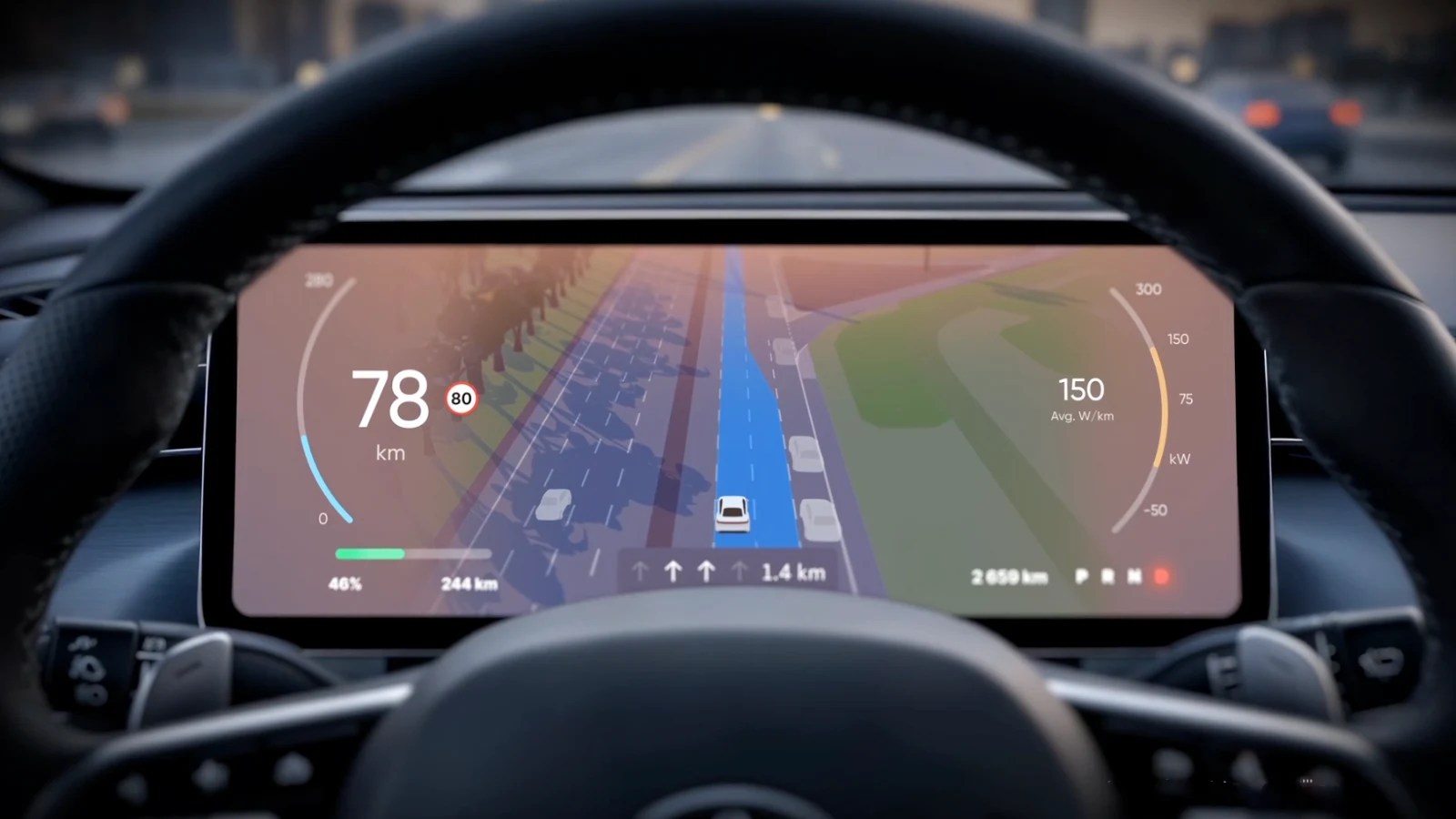



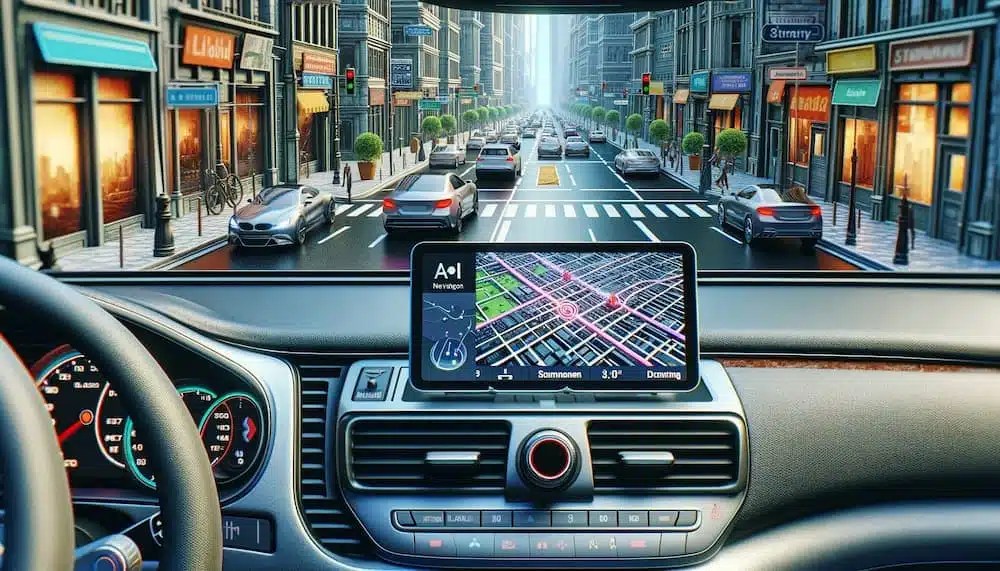
Mapbox Leads The 2026 Car Navigation Revolution With Real World 3D Lane. Smart Tracking 2026 Inovasi GPS Kendaraan Surabaya Dengan Sistem ChatGPT Image 28 Jan 2026 22.43.03 . New System Paves The Way For Smart City Navigation Highways Today Smart City Navigation . AI Powered Smart Navigation How Technology Is Daily AI Powered Smart Navigation AI Smart Navigation Commuting 2026.webp. How AI Navigation Modern Application Examples DGM News AI


AI Powered Navigation To Avoid Traffic Jams The Road Ahead . AI Route Planning For Boaters How Smart Navigation Is U S Ai Route Planning Smart Navigation Boaters Usa 2025.webp. The Best Motorcycle Smart Navigation Systems Of 2026 INNOVV N2 Deep D 6 3dc22e63 E2c1 4dec 8f7b . How Intelligent Car Navigation Could Improve City Traffic Conditions Connected Cars Adobe Rm . IF Design Smart Navigation 1


CES 2026 5 Innovations Qui Vont Tout Changer 5 Innovations A Surveiller Au CES 2026 . The Best Motorcycle Smart Navigation Systems Of 2026 INNOVV N2 Deep D 123333 2250dc7c E4e5 4e70 B66d . La Eficiencia C Mo 5 Tendencias Innovadoras En A High Resolution Image Of A GPS Navigation System . IF Design Smart Navigation 2 . IF Design Smart Navigation 4


IF Design Smart Navigation 7 . IF Design Smart Navigation 6 . Spatial Navigation Examples In 2026 20251203 0148 2026 Spatial Navigation Simple Compose . IF Design Smart Navigation 5 . The Best Motorcycle Smart Navigation Systems Of 2026 INNOVV N2 Deep D 7 9a66bccd Af32 478a 845e


Top 10 Of GPS Antennas In 2026 Uses Industry Guide Gps Antenna 2026 . The Best Motorcycle Smart Navigation Systems Of 2026 INNOVV N2 Deep D 1 1dae6ed2 89b5 4c92 A3c7 . Smartphone Displaying A Navigation Map With Location Pins And The Year 1000 F 1740786315 . Autonomous Fleet Management In 2026 The Future Of Holographic Lidar Dashboard 2026 . Smart Navigation Systems For Ships Market Research Report 2034 Global Smart Navigation Systems For Ships Report Thumbnail


Smart 5 2026 EV BRABUS Motorguru Ae Smart 5 2026 EV 008 . Futuristic Integration Of Advanced GPS Systems In Modern Cars For Smart Futuristic Integration Advanced Gps Systems Modern Cars Smart Personal 578399 1241 . The Best Motorcycle Smart Navigation Systems Of 2026 INNOVV N2 Deep D 3 C1c1c218 8def 4c27 8859 . RiderNav R7M Brings Smart Navigation To BMW Riders Dandy Gadget Photo LG Display Wins Two CES 2026 Innovation Awards With World First Automotive Display Technologi 768x512 . Navigating The Future An Inside Look At Mapbox S Innovations CES 2026 Navigating The Future An Inside