Ever wondered how the pros battle it out in esports or how to even start your own competitive gaming journey while juggling work and family? This comprehensive guide breaks down exactly how gaming competitions are done from grassroots tournaments to global championships. Discover the stages of competition, essential gear, team dynamics, and crucial strategies to level up your play. We'll cover everything from finding local events to understanding professional circuits, ensuring you can participate or appreciate the competitive scene without sacrificing your real-world responsibilities. Learn about the structure, rules, and rewards, and get practical tips on improving your game and connecting with fellow competitors. Whether you're a casual player looking for a new challenge or an aspiring pro, this resource provides the clear, actionable insights you need to navigate the exciting world of competitive gaming in 2026. Explore how organization, skill, and teamwork converge to create thrilling spectacles and personal triumphs in the esports arena for busy US gamers.
What kind of equipment do I need to compete in gaming?
For competitive gaming, essential equipment typically includes a high-performance PC or latest-generation console, a high refresh rate monitor (144Hz+), and precise gaming peripherals like a responsive mouse, mechanical keyboard, and a clear headset with a good microphone. A stable wired internet connection is also crucial to minimize latency. For busy gamers, investing in quality peripherals often offers the best bang for buck for performance gains.
How do online gaming tournaments differ from LAN events?
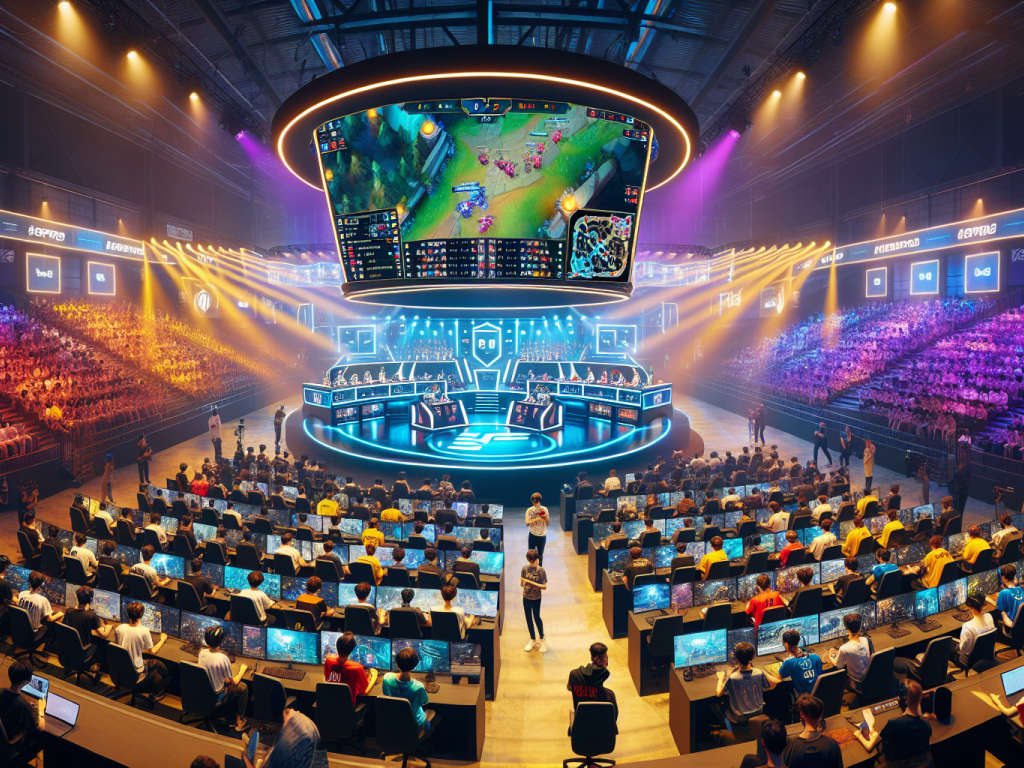
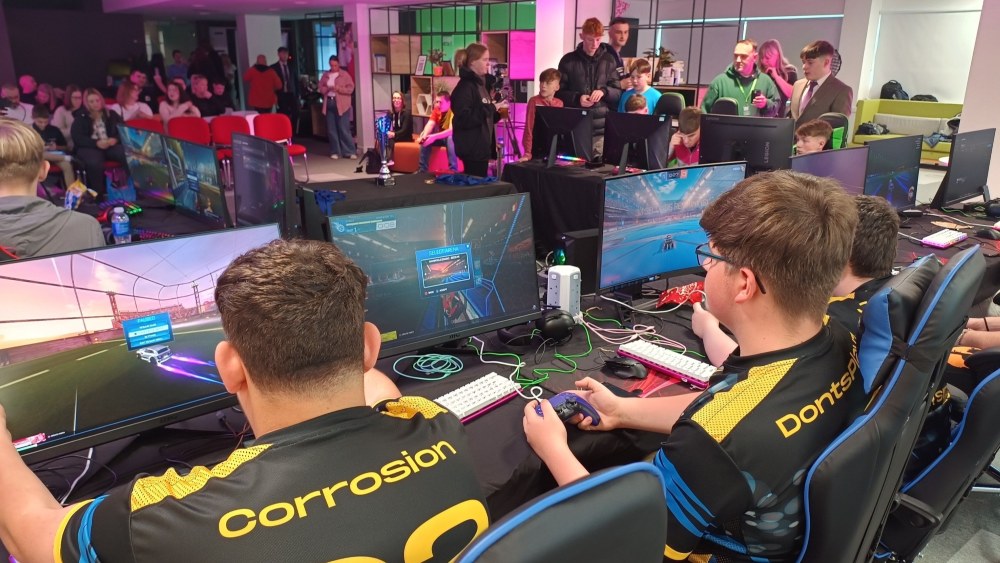
Online tournaments are played remotely over the internet, offering accessibility but can be affected by internet stability and ping differences. LAN (Local Area Network) events have all competitors physically present, connected to a local network, which ensures minimal latency and a level playing field. LANs offer a more direct, high-stakes atmosphere, while online tournaments are easier to join for casual or time-constrained players.
Can older gamers successfully compete in esports?
Absolutely. While mechanical skill can sometimes favor younger players, older gamers bring invaluable experience, strategic depth, and mental fortitude. Many successful esports players, especially in strategy or team-based games, are in their late 20s, 30s, or even beyond. The key is smart practice, game knowledge, and effective teamwork, proving that age is just a number in the right competitive context.
What are the best games for new competitors in 2026?
For new competitors in 2026, excellent choices include free-to-play titles like Valorant, Apex Legends, or League of Legends, which have massive competitive scenes and plenty of resources. Mobile esports such as Mobile Legends: Bang Bang or Call of Duty Mobile also offer low-barrier entry. The best game is ultimately one you enjoy, have time for, and are motivated to master. Start with popular titles to find a team easily.
How do I find a team for competitive gaming?
Finding a competitive gaming team usually starts within your game's community. Join official Discord servers, subreddits, or forums dedicated to your game. Look for
Are you one of the millions of US gamers, perhaps in your 30s or 40s, who still loves the thrill of competition but wonders how serious gaming fits into a busy life? You know that feeling of wanting to push your skills, maybe even test yourself against others, but the world of esports seems complex and intimidating. How are gaming competitions done, really, from the small community clashes to the massive international stages? For many of us who balance careers, families, and everyday responsibilities, understanding this landscape can feel like another challenge. But what if getting into competitive gaming, or at least understanding its mechanics, was more accessible than you thought? This guide is for you. We'll demystify the entire process, breaking down how gaming competitions are structured, the roles involved, and how players, even those with limited time, can get involved. We're talking about practical insights, not hype, designed to help you either jump into the fray or simply appreciate the incredible skill on display. In 2026, the gaming scene is more diverse than ever, with 87% of US gamers regularly playing, averaging over 10 hours a week. Social gaming and mobile dominance are huge, making competitive play more varied and approachable. Let's explore how you can be part of it, or at least understand it better, without sacrificing your precious work-life balance.
For many adult gamers, the thought of competitive play evokes images of hyper-focused teenagers. Yet, the reality is that the competitive spirit thrives across all age groups and lifestyles. It’s about more than just winning; it’s about skill-building, strategic thinking, and connecting with a passionate community. From optimizing your current setup for better performance to finding games that fit your schedule, this article provides actionable advice. We’ll cover everything from the basics of tournament formats to advanced team dynamics, ensuring you have a clear roadmap to understanding how gaming competitions are done, and how you might even dip your toes into the competitive waters yourself.
What Exactly Are Gaming Competitions And Who Participates?
Gaming competitions, often known as esports tournaments, are organized events where individuals or teams compete in video games for prizes, recognition, or simply bragging rights. These range from casual local meetups to massive professional leagues with multimillion-dollar prize pools. Participants span a wide spectrum: from passionate amateurs looking to test their skills to full-time professional gamers. The beauty is that there’s a tier for almost everyone. In 2026, the competitive gaming scene in the US includes a significant portion of older players, many balancing their competitive drive with demanding jobs and family life. They participate for the challenge, the social aspect, and the sheer fun of mastering a game.
These competitions are not just about raw mechanical skill. They involve deep strategic understanding, excellent team coordination, and mental fortitude. While younger players often dominate the top tiers, experienced gamers bring a different kind of wisdom and resilience to the arena. Many adult gamers engage in competitive play through online ladders, community-run tournaments, or even corporate esports leagues, fitting their passion around their schedules. The accessibility of online platforms means you no longer need to be a full-time pro to experience the thrill of competition.
How Do Amateur Players Get Started In Competitive Gaming?
Getting started in competitive gaming for the average US gamer is more accessible than ever. The first step is to pick a game you genuinely enjoy and are reasonably skilled at. Popular competitive titles include League of Legends, Valorant, Counter-Strike 2, Dota 2, Call of Duty, Apex Legends, and even mobile games like Mobile Legends: Bang Bang or Clash Royale. Once you have your game, focus on honing your individual skills through consistent practice.
- Master Game Fundamentals: Understand core mechanics, map knowledge, and character/weapon specifics.
- Find Your Community: Join Discord servers, online forums, or local gaming groups dedicated to your game. This is where you'll find like-minded players and opportunities.
- Participate in Low-Stakes Tournaments: Look for online ladders (like Faceit or ESEA for CS2, or various in-game ranked modes), community tournaments, or local LAN events. These are perfect for gaining experience without immense pressure. Platforms like Challengermode and Battlefy are great resources for finding these entry-level competitions.
- Form a Team: Competitive gaming often thrives on teamwork. Find players whose playstyle complements yours and who share similar goals and availability. Good communication is paramount.
- Learn From Replays: Record and review your gameplay, both wins and losses. Identify mistakes and areas for improvement. Watch professional players to understand advanced strategies.
Remember, it's a journey. Don't expect to be a pro overnight. Focus on consistent improvement and enjoying the process, which is especially important when you are balancing gaming with other life commitments.
What Are The Different Types Of Gaming Competitions?
Gaming competitions come in various shapes and sizes, catering to different levels of play and investment. Understanding these formats can help you find the right fit for your competitive aspirations.
- Online Ladders & Ranked Play: These are integrated into many games, allowing players to climb a ranking system by winning matches. They offer continuous, low-pressure competition.
- Community Tournaments: Often organized by gaming communities, content creators, or smaller organizations. They can be online or local LAN events, typically with smaller prize pools or even just bragging rights. These are excellent for amateurs.
- Amateur Leagues & Circuits: Structured leagues designed for emerging talent, offering a pathway to professional play. They often have regular seasons, playoffs, and a chance to qualify for higher-tier events.
- Semi-Professional Leagues: These bridge the gap between amateur and pro, often offering modest salaries or travel support to players, allowing them to dedicate more time to practice.
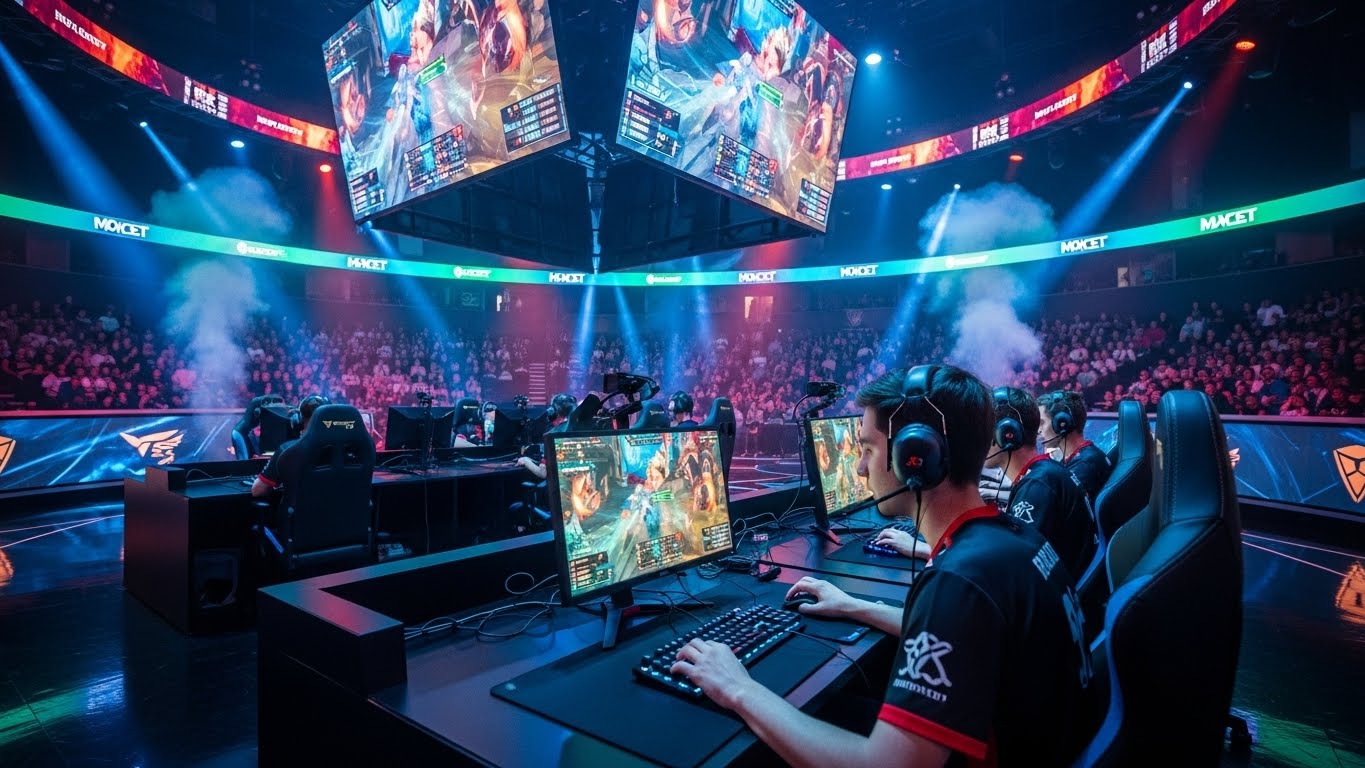
- Professional Leagues & Major Tournaments: These are the pinnacle of esports, featuring top-tier teams, large prize pools (often millions), and significant media coverage. Examples include the League of Legends World Championship, The International (Dota 2), and Call of Duty League. These events are meticulously organized, with strict rules and professional broadcasting.
- Mobile Esports: With mobile gaming dominating segments of the market (especially among busy adults due to convenience), mobile esports for games like Mobile Legends, PUBG Mobile, and Free Fire are seeing massive growth, often mirroring PC/console structures with global leagues and significant prize pools.
Choosing the right type depends on your skill level, time commitment, and what you hope to achieve from competitive play.
How Is A Professional Esports Tournament Structured And Managed?
Professional esports tournaments are complex operations, often meticulously planned months in advance. They involve various stages, ensuring fair play and an exciting spectacle for viewers. Typically, the structure follows a defined path:
- Qualifiers: Teams enter regional or open online qualifiers to earn a spot in the main event. These can be single-elimination or double-elimination brackets.
- Group Stage: Qualified teams are often divided into groups where they play round-robin matches. Top teams from each group advance.
- Playoffs/Knockout Stage: This is usually a single or double-elimination bracket where teams battle it out until a champion is crowned. Matches in this stage are often best-of-three or best-of-five to truly test skill and resilience.
- Grand Finals: The culminating match, often a best-of-five or best-of-seven series, determining the tournament winner.
Management involves a huge team beyond the players:
- Tournament Organizers (TOs): Responsible for overall planning, rulesets, scheduling, and logistics.
- Referees & Admins: Ensure fair play, enforce rules, resolve disputes, and manage technical issues during matches.
- Production Crew: Handles broadcasting, camera work, replays, and spectator experience.
- Commentators & Analysts: Provide play-by-play commentary, strategic insights, and build narrative for the audience.
- Technical Support: Manages network infrastructure, hardware, and software to prevent lag or outages.
- Venue Staff: For LAN events, manages the physical space, security, and audience flow.
Security and integrity are paramount, with anti-cheat measures, strict communication rules, and sometimes even soundproof booths to prevent cheating. The goal is to create a professional, fair, and entertaining environment for both competitors and viewers.
What Roles Do Teams And Players Have In Competitive Gaming?
In team-based competitive gaming, specific roles are crucial for strategic execution and success. While roles vary by game, common archetypes emerge:
- In-Game Leader (IGL): The strategist, making shot calls and guiding the team's movements and plays during a match. This role requires strong leadership, map awareness, and decision-making under pressure.
- Fragger/Duelist/Entry-Fragger: Focuses on securing early kills, initiating engagements, and creating space for the team. This player typically has excellent aim and aggressive tendencies.
- Support: Protects teammates, provides utility (heals, shields, vision), and facilitates team pushes. They often sacrifice their own score for the team's benefit.
- Lurker/Roamer: Operates independently or on the flanks, gathering information, catching enemies off guard, or creating diversions.
- AWPer/Sniper (FPS): Specializes in using high-impact, long-range weapons to pick off key targets.
- Coach: Works outside of actual gameplay, analyzing opponents, developing strategies, reviewing VODs, and providing mental support to the team. Often acts as a mentor.
Effective team chemistry, clear communication, and defined roles are far more impactful than individual skill alone. Teams that understand each other's strengths and weaknesses and can adapt on the fly often outperform those with just raw talent. This is particularly true for adult gamers who value efficient communication and strategic thinking over hyper-reflexes.
What Kind Of Gear And Setup Is Needed For Gaming Competitions?
While raw skill is king, optimized gear can definitely give you an edge, especially when every millisecond counts. For serious competitive play, a reliable setup is crucial:
- High-Performance PC/Console: For PC, this means a powerful CPU (e.g., Intel Core i7/i9 or AMD Ryzen 7/9), a strong GPU (e.g., NVIDIA RTX 40-series or AMD RX 7000-series), ample RAM (16-32GB DDR5), and a fast SSD. For consoles, the latest generation (PS5, Xbox Series X) is essential.
- High Refresh Rate Monitor: A 144Hz or 240Hz monitor significantly reduces input lag and motion blur, making gameplay smoother and reactions faster. Response time of 1ms or less is ideal.
- Ergonomic Gaming Peripherals:
- Mouse: Lightweight, high DPI, precise sensor.
- Keyboard: Mechanical keyboard with fast-actuating switches (linear or tactile).
- Headset: Clear audio for in-game sound cues and a high-quality microphone for team communication. Noise-canceling is a plus for LAN events.
- Stable Internet Connection: A wired Ethernet connection is preferred over Wi-Fi to minimize latency and packet loss. Fiber optic is ideal.
- Comfortable Gaming Chair & Desk: Essential for long practice sessions and tournaments, preventing fatigue and promoting good posture.
For gamers balancing life, investing in good peripherals often yields more immediate performance gains than a full PC overhaul. Focus on what directly impacts your interaction with the game and comfort during play. Many modern peripherals are designed for durability and performance, offering good value for money over time.
How Do Players Practice And Improve For Competitive Play?
Consistent, smart practice is the bedrock of competitive improvement. It's not just about playing more, but playing effectively. Here's how players, especially those with limited time, can maximize their practice:
- Targeted Practice Sessions: Instead of aimlessly playing, focus on specific skills during each session. For an FPS, dedicate time to aim training maps or drills. For an MOBA, practice last-hitting or specific hero combos.
- Reviewing VODs (Videos On Demand): Recording your gameplay and watching it back is one of the most powerful tools. Identify mistakes, missed opportunities, and areas for strategic improvement. Compare your plays to professional players.
- Analyzing Opponent Strategies: Learn from watching pro players or even highly-ranked streamers. Understand their decision-making, rotations, and how they handle different situations.
- Communication Drills: For team games, practice clear, concise, and effective communication. Use custom lobbies to run specific scenarios or execute strategies.
- Physical & Mental Health: Don't underestimate sleep, proper nutrition, and short breaks. A clear mind and rested body perform better. Many pro teams integrate fitness and sports psychology into their training.
- Seek Feedback: Play with or against better players and ask for constructive criticism. A fresh perspective can highlight blind spots.
For busy gamers, quality over quantity is key. A focused 60-minute session reviewing a replay and practicing a specific skill can be more beneficial than three hours of unfocused ranked grinding. Balance is everything.
What Are The Financial Aspects Of Competitive Gaming, From Prizes To Costs?
The financial landscape of competitive gaming is diverse, ranging from substantial prize pools to significant personal investments.
Prize Money:
At the top tier, esports prize pools can be enormous. The International (Dota 2) routinely offers over 30 million USD. For major titles, winning a premier tournament can mean millions for a team, split among players and organizations. However, these figures are the exception, not the norm. Most amateur and semi-pro tournaments offer smaller cash prizes (hundreds to thousands of dollars), gaming gear, or gift cards. For the vast majority of players, competitive gaming isn't a get-rich-quick scheme.
Costs Involved:
- Hardware & Peripherals: Investing in a high-performance PC, monitor, and peripherals can run into thousands of dollars.
- Game Purchases & In-Game Items: While many competitive games are free-to-play, some require an initial purchase or tempt players with cosmetic upgrades.
- Travel & Accommodation: For LAN events, travel costs can be significant, especially for international competitions.
- Coaching & Training: Some players invest in personal coaching or specialized training platforms.
- Team Fees: Some amateur leagues might have entry fees.
- Internet & Utilities: A stable, high-speed internet connection is a must, which is a recurring cost.
For many adult gamers, competitive play is a hobby where the joy of participation and skill-building outweighs the direct financial return. Any winnings are a bonus, not the primary motivation. Smart budgeting and prioritizing upgrades can help manage costs without breaking the bank, a common concern for gamers balancing life responsibilities.
How Do Competitive Gamers Balance Their Passion With Real-Life Responsibilities?
Balancing competitive gaming with a job, family, and other life commitments is a challenge many adult US gamers face. It requires discipline, clear communication, and strategic time management.
- Set Clear Boundaries: Define specific times for gaming and stick to them. Communicate these times with family to avoid conflicts. Treat gaming sessions like any other scheduled activity.
- Prioritize Responsibilities: Understand that family, work, and health come first. Gaming should be an enjoyable escape, not a source of added stress due to neglect of other duties.
- Efficient Practice: As mentioned, quality over quantity. Focus on highly effective, shorter practice sessions rather than long, unfocused grinding. Utilize commutes or lunch breaks for VOD reviews or strategy discussions.
- Team Communication: Find teammates with similar schedules and commitments. Be upfront about your availability to avoid friction within the team. Discord and other communication tools are essential for coordinating schedules.
- Leverage Flexibility: Many online tournaments run on weekends or evenings, fitting into typical work schedules. Seek out events that align with your availability.
- Physical & Mental Wellness: Maintain a healthy lifestyle with regular exercise, good sleep, and healthy eating. This improves focus and resilience, both in and out of the game.
- Involve Family (Where Possible): Share your passion with your family. Let them watch a match, explain the game, or even play casual games together. This fosters understanding and reduces potential friction.
Many successful competitive gamers outside the professional circuit are masters of time management. They view gaming as a passion that enriches their life, not one that consumes it, making it entirely possible to compete and thrive.
What Are The Latest Trends In Esports And Competitive Gaming In 2026?
The competitive gaming landscape is always evolving. In 2026, several key trends are shaping how gaming competitions are done:
- Mobile Esports Dominance: Mobile gaming continues its explosive growth, with titles like Call of Duty Mobile, PUBG Mobile, and Mobile Legends: Bang Bang hosting massive, professionally organized leagues with significant viewership and prize pools. This accessibility makes competitive gaming more global and inclusive.
- Cross-Play & Cross-Progression: More games are adopting cross-platform play, allowing PC, console, and even mobile players to compete against each other. This expands player pools and audience reach for competitions.
- Creator & Streamer Influence: Influencers and content creators continue to drive interest in competitive scenes, often hosting their own community tournaments or collaborating with major organizers. Their reach helps bring new players and viewers into esports.
- Grassroots & Collegiate Esports Growth: High school and collegiate esports programs are booming across the US, providing structured pathways for young talent and fostering a new generation of competitors. This creates a stronger foundation for the entire ecosystem.
- VR & Web3 Integration (Experimental): While still niche, there's ongoing experimentation with competitive VR titles and blockchain-based gaming competitions, particularly for unique prize structures or player ownership.
- Focus on Player Wellness: Professional organizations are increasingly prioritizing player mental and physical health, with dedicated staff for nutrition, fitness, and psychological support, recognizing the demands of high-level competition.
These trends highlight a more diverse, accessible, and mature competitive gaming ecosystem, offering more opportunities for engagement at all levels for the average US gamer.
Conclusion
Navigating the world of gaming competitions, whether as a participant or an informed spectator, doesn't have to be a mystery. From understanding tournament structures to optimizing your setup and balancing gaming with life, the insights shared here aim to make competitive gaming accessible and enjoyable for the average US gamer. Remember, it's about the thrill, the skill-building, and the community. The path to competition is varied and rich with opportunities, fitting into many lifestyles. What's your biggest gaming challenge when thinking about competition? Comment below and let's discuss!
FAQ Section
What is the average age of an esports pro?
While the top tier often skews younger (late teens to mid-twenties), the average age of a professional esports player can vary greatly by game. Many competitive gamers in popular titles are in their late 20s or even 30s, especially in strategy games like Dota 2 or Counter-Strike, where experience and game sense are crucial. The competitive scene is becoming more inclusive of various age groups.
Can I make money from casual gaming competitions?
Yes, you can certainly make some money from casual gaming competitions, though it's typically not enough to live on. Many online platforms and local tournaments offer small cash prizes, gift cards, or gaming gear for winners. It's a great way to earn a little extra while enjoying your hobby, especially for adult gamers who view it as supplemental income or a fun challenge rather than a full-time career.
What are common gaming competition etiquette rules?
Common etiquette rules include arriving on time, respecting your opponents and teammates, avoiding toxic language or excessive trash talk, not cheating, and being a good sport whether you win or lose. Professionalism extends to setup and technical issues, where patience and clear communication with tournament organizers are highly valued. Fair play and respect create a positive competitive environment.
How important is team chemistry in competitive gaming?
Team chemistry is incredibly important, often outweighing individual skill in team-based games. A cohesive team with excellent communication, trust, and shared strategies will almost always outperform a group of highly skilled individuals who don't work well together. Developing strong team chemistry involves understanding each other's playstyles, clear roles, and mutual respect, which are key for sustained success.
Are mobile esports as big as PC console esports?
In terms of player base and global viewership, mobile esports are incredibly massive, often surpassing PC/console esports in certain regions, particularly in Asia and emerging markets. While prize pools for individual mobile tournaments might not always match the very peak of PC esports, the sheer scale of participation and the accessibility of mobile gaming make it a dominant force in the competitive landscape of 2026. This trend is also rapidly growing in the US.
Where can I find local gaming competitions?
You can find local gaming competitions by checking community gaming centers, local comic or game stores, college esports clubs, and online platforms like Battlefy or Challengermode which often list local events. Social media groups for your specific game in your city or region are also great resources. Don't forget to ask around in your favorite online gaming communities for local recommendations.
Understanding competitive gaming structures, pathways from amateur to pro, team roles and strategies, essential hardware and software for tournaments, mental and physical preparation for competition, securing sponsorships and prize pools, balancing gaming with real life commitments, navigating online and offline tournament formats, current trends in esports and mobile gaming competitions
34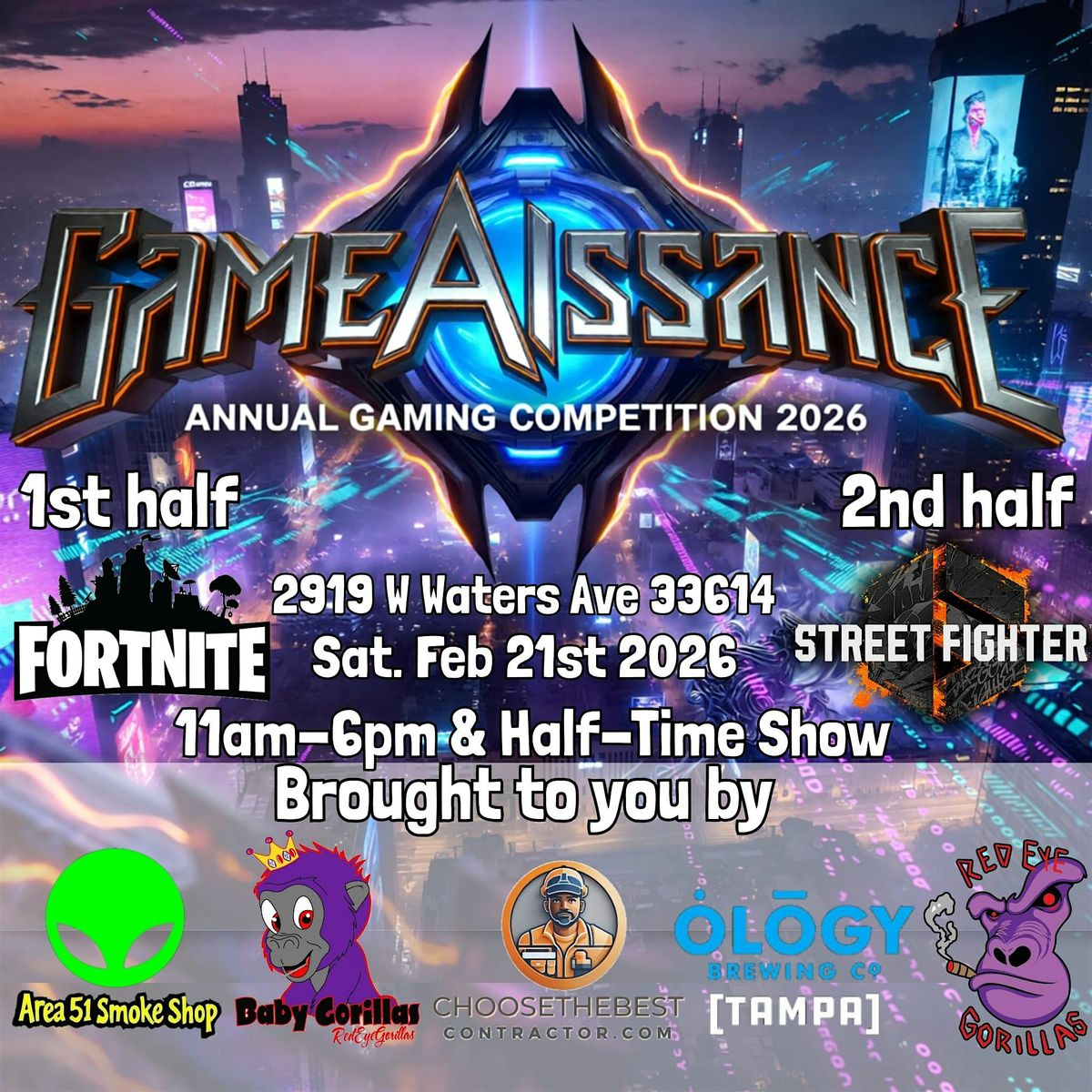


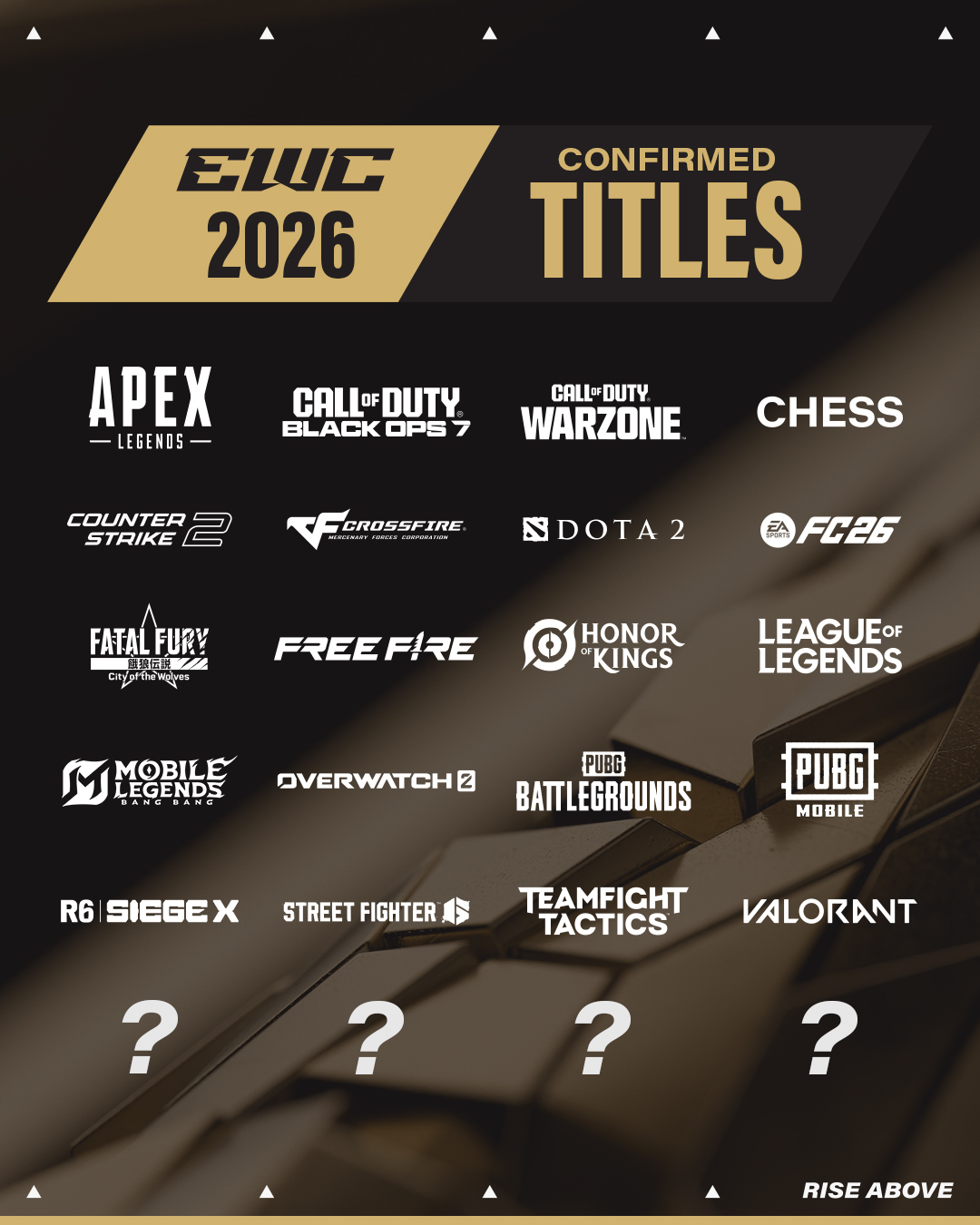

Annual Gaming Competition 2026 At 2919 W Waters Ave Tampa Rimg W1200 H1200 Dc8e8c94 Gmir . Upcoming Esports Tournaments In 2026 We Gamers Club E.237Z 2048x1117 . Upcoming Esports Tournaments In 2026 We Gamers Club Google AI Studio 2025 11 21T18 25 09.047Z 1536x838 . Esports World Cup Confirms 20 Of The Total 24 Games To Be Featured At 4695473b . Free Live Gaming Competition Image Esports Gaming Tournament Live Gaming Competition Stockcake

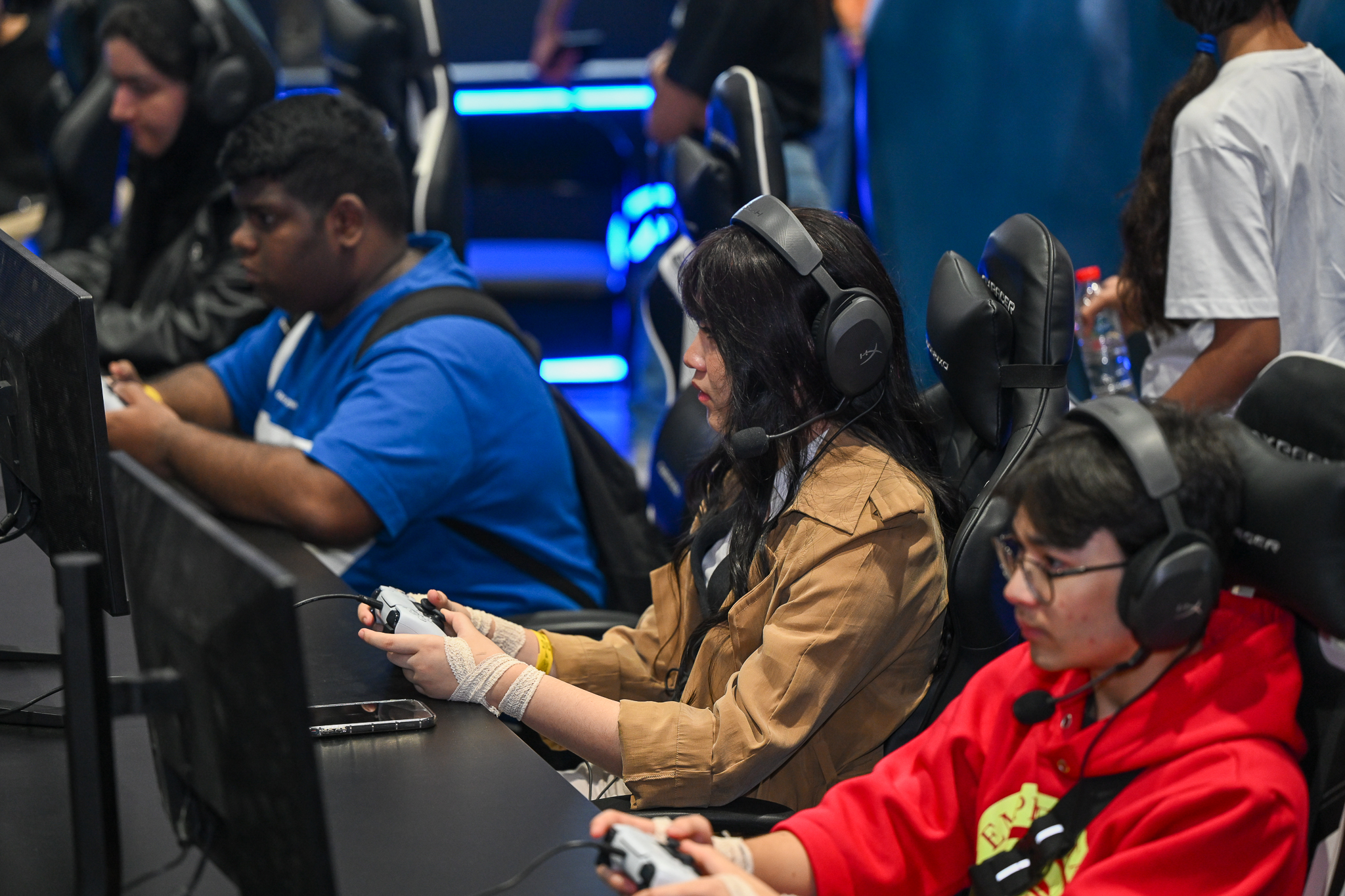
Top 5 Most Popular Esports Gaming Blog . Upcoming Esports Tournaments In 2026 We Gamers Club Google AI Studio 2025 11 21T18 25 17.374Z 2048x1117 . Esports World Cup 2026 Confirms The Return Of 20 Games Image. FNDM 2026 Tournaments Gaming TCG Board Game In Dubai MEFCC Day 2 Images First Drop 54 . PUBG Mobile Esports World Cup Image



Competitive Gaming Creating Skills And Belonging At YMCA Y ESports Ymca Gaming Esports . How The Global Gaming Awards EMEA 2026 Are Decided Gga Emea 2026 1765364717 . Game Awards 2026 Game Of The Year 2026 Game Awards Game Of The Year .webp. Upcoming Esports Games To Watch Out For In 2026 Upcoming Esports Games To Watch Out For In 2026 1536x864 . Esports World Cup Prize Pool 2026 Rewards Per Game More Esports Nations Cup 2026


75 Million Prize Pool Full Game Lineup And Schedule Announced For Esports World Cup Foundation 2026 Titles . The Rise Of Esports How Competitive Gaming Became A Global Phenomenon Whisk . Everything You Need To Know About 2026 Challengers And Game Changers Image. Compete Midwest Gaming Classic 2026 Tournaments . 10 Gaming Events You Should Know About In 2026 Gaming Net 10 Gaming Events You Should Know About In 2026 11 1536x864


The Most Anticipated Games Of 2026 That Gamers Can T Wait For 20250822 Most Anticipated Games Of 2026 . 10 Gaming Events You Should Know About In 2026 Gaming Net 10 Gaming Events You Should Know About In 2026 2 1536x864 . Top Gaming Esports Events To Attend In 2025 2026 Global Games Show Riyadh Og.webp. Game Industry Usage And Revenue Statistics 2026 Gaming Revenue . Taking An EARLY Look At The 2026 Gaming Lineup YouTube


ALL ABOARD EXPO 2026 Tournaments Gaming Library DSC 9725 . 10 Gaming Events You Should Know About In 2026 Gaming Net 10 Gaming Events You Should Know About In 2026 6 1536x864 . Next Level Gaming The Most Anticipated Games Of 2026 You Can T Miss Gemini Generated Image . Exploring New Realms At Gaming Slot Convention 2026 Post1 Copyright 1024x770 . Everything You Need To Know About 2026 Challengers And Game Changers EMEA Game Changers EMEA Calendar 1536x864
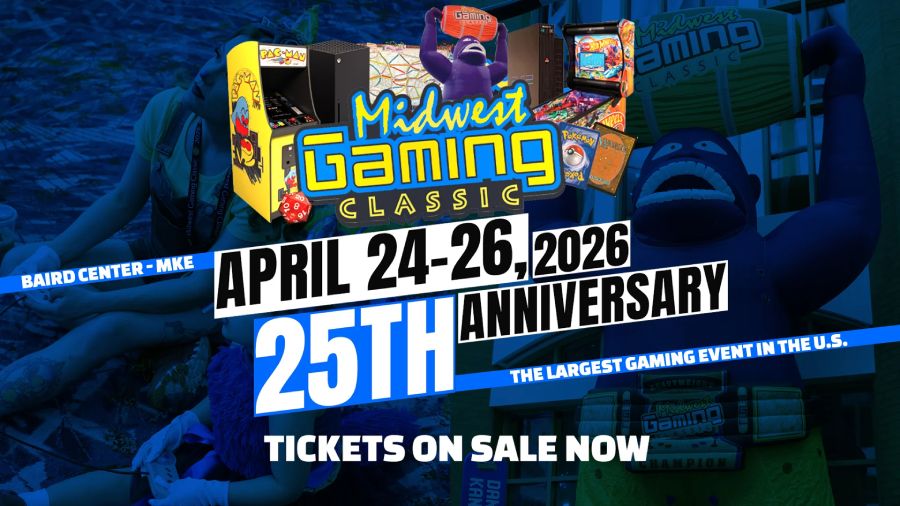

Events For Gamers Banner Midwest Gaming Classic 25h Anniversary 2026 . Global Gaming Awards EMEA 2026 Trophy . Esports World Cup 2026 Schedule Games Tournaments Prize Pool Club . The First Gaming Showcase Of 2026 Has Been Revealed And It S As Soon Large